
Is Earthing Safe? A Practical Safety Guide to Grounding Sheets, Mats and Cords
Earthing, also called grounding, is one of the simplest habits you can add to a bedroom or a desk. A conductive sheet, mat, or pillowcase connects through a cord to the ground connection in your home. There is no battery, no charger, and no current being delivered to you. That simplicity is exactly why people ask whether it is safe, and it is a fair question to ask before you build a nightly routine around it.
The honest answer is that earthing is a low-risk practice for most healthy adults when the product is set up correctly, and that a few specific situations deserve a conversation with a doctor first. This guide covers both sides so you can make the decision with clear information rather than marketing copy.
How Grounding Products Actually Work
Understanding the mechanism removes most of the mystery. A grounding product such as the Grounding Sheet 10% Silver Organic uses conductive silver fiber woven into the fabric. A snap connector attaches the grounding cord, and the other end of that cord plugs into the ground pin of a properly grounded wall outlet, or connects to a grounding rod driven into the earth outdoors.
The cord is not a power cable. Its only job is to give your body a conductive path to the earth so the small voltages your body naturally carries can equalize with the ground. Nothing is being charged, and no mains electricity reaches you through the product.
Step 1: Confirm Your Outlet Is Really Grounded
The most common earthing setup problem is not the product. It is an outlet that is not actually grounded. Older homes, two-prong outlets, and receptacles wired without a ground conductor will not earth you, no matter how conductive the sheet is.
Before you rely on wall grounding, check the outlet with a plug-in outlet tester or ask a qualified electrician. If your outlet has no usable ground, the Grounding Rod is the practical alternative, because it provides a real earth connection outdoors that is independent of your home wiring.
Never modify an outlet, remove a ground pin, or try to solve a wiring fault yourself. Earthing products are designed to work with correct wiring, not to repair incorrect wiring.
Step 2: Use the Cords and Adapters as Designed
The Grounding Cord with Adapter Splitter exists so you can connect a sheet, a mat, and a pillowcase without stacking improvised connections. Use one adapter per outlet as intended, route cords away from walkways, and inspect the cord and snap connector every few months.
If a cord is frayed or a connector feels loose, replace it. A damaged conductor is the one component that can turn a simple setup into a real problem.
Step 3: Know Who Should Ask a Doctor First
Earthing is widely used, but it is not equally appropriate for everyone. Please speak with a qualified healthcare professional before you begin earthing if any of the following applies to you:
- You have an implanted electronic device such as a pacemaker or an insulin pump. Any change to your body electrical environment deserves a physician opinion first.
- You are pregnant, or you plan to ground a child bed. Ask your doctor or pediatrician before making earthing part of a nightly routine.
- You take medication for blood pressure, blood sugar, thyroid function, or blood thinning. Some people report changes in how they feel, and dosage decisions belong to your doctor.
- You have a diagnosed heart, kidney, or seizure condition. Get medical clearance before adding earthing to your routine.
- You are considering earthing for pets or young children. A veterinarian or pediatrician is the right person to ask.
None of the above means earthing is unsafe. It means the decision should be made together with the person who knows your health history.
What Earthing Is Not
A grounding sheet is not a medical device, and it is not a substitute for medical care, medication, or a diagnosis. Earthing research is an active and growing field, and many people find that grounding may support a sense of calm and more restful nights, but individual results vary and no product can promise a clinical outcome.
If you are managing a health condition, treat earthing as a comfort and lifestyle habit alongside professional care, never instead of it.
A Simple Earthing Safety Checklist
- Verify that the outlet is genuinely grounded with a tester, or use a grounding rod instead.
- Use only the supplied grounding cord and adapter. Never connect a grounding product to a mains power lead.
- Keep cords out of foot traffic and away from children and pets that might chew them.
- Inspect cords and snap connectors periodically, and replace anything frayed or loose.
- Start with shorter sessions and note how you feel, rather than changing a routine overnight.
- Tell your doctor that you are earthing, especially if you take medication or have an implanted device.
Common Earthing Safety Questions
Can a grounding sheet shock me? Not when it is used as designed. The product connects only to the ground path, not to live or neutral conductors, so there is no voltage source in the circuit.
Is it safe to ground every night? Many people do, but it is sensible to build up gradually and stop if anything feels uncomfortable. If you have a health condition, agree on a routine with your doctor first.
Do I need a grounding rod if my home is new? Not necessarily. Modern wiring often provides a proper ground, which you can confirm with a tester. A rod matters most when the outlet ground is missing or unreliable.
Where Earthing Fits in Real Life
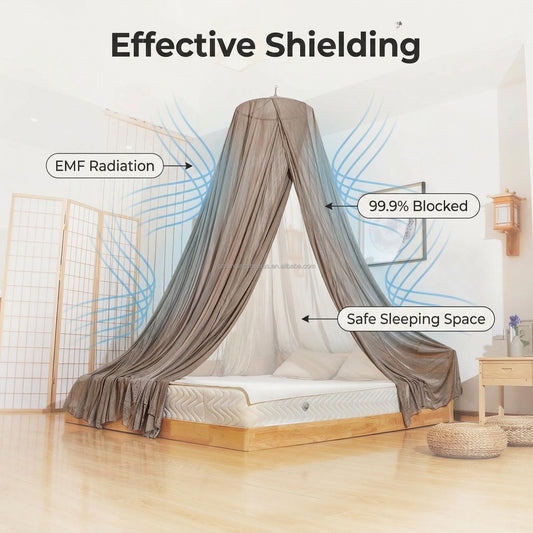
Most people start in bed, because that is where earthing is easiest to keep consistent. A fitted option or a mat that stays in place works well for sleep, while a standalone Grounding Mat is easier to move between a desk and a sofa. If you also want to reduce exposure to everyday wireless fields, a 100% Silver Fiber EMF Canopy with Grounding Cord can be combined with a grounded bed setup.
Whatever you choose, the same three rules apply: correct wiring, intact cords, and guidance from your doctor whenever your health history calls for it.